

Thought Leadership
Prepare your Dams for Storm Season: Why Maintenance and Emergency Planning Matter
August 26, 2026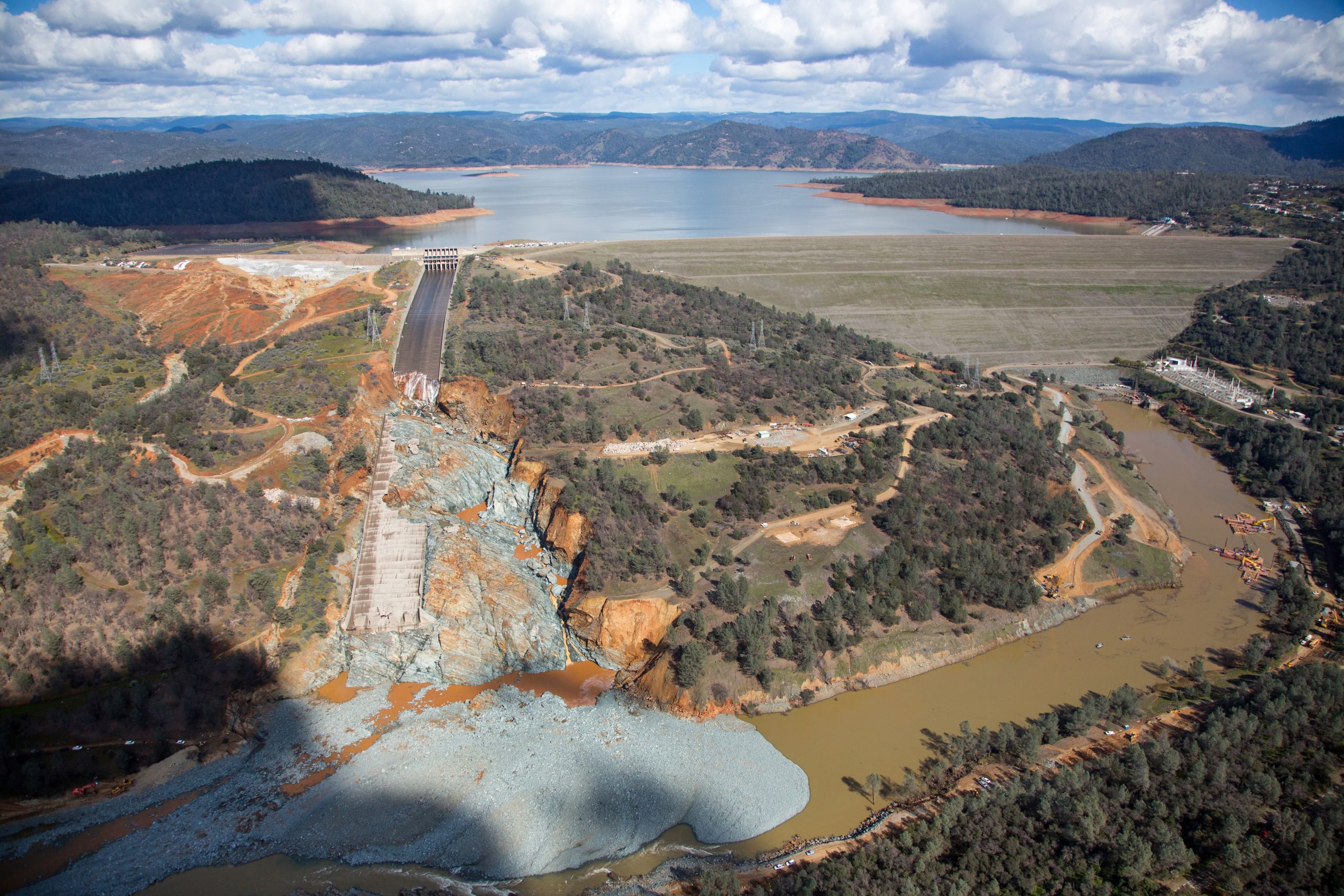
Each year, hurricane season and other major storm events test the resilience of the nation’s dam infrastructure. For owners of significant and high hazard potential dams, preparation is not simply a regulatory obligation. It is a critical responsibility that protects downstream communities, infrastructure, natural resources, and the long-term viability of the dam itself.
While many dam owners focus on emergency response during a storm, the most effective risk reduction measures occur well before the first weather alert is issued. Proactive maintenance, thorough inspections, and updated emergency planning can significantly improve a facility’s ability to withstand extreme rainfall, flooding, high winds, and other storm-related hazards.
Understanding the Stakes
A dam classified as a “high hazard potential” structure does not necessarily indicate poor condition. Rather, it means that loss of life is probable should the dam fail. Significant hazard dams may not pose the same level of life safety consequences, but failure can still result in substantial economic, environmental, and infrastructure impacts.
Across the United States, changing precipitation patterns and increasingly intense storm events are placing additional demands on aging water infrastructure. Dams that have safely operated for decades may now experience inflows, rainfall totals, and watershed responses that exceed historical expectations. As a result, dam owners must continually evaluate whether existing infrastructure and operational practices remain adequate for current and future conditions.
Maintenance Is the First Line of Defense
Routine maintenance is often the most cost-effective investment a dam owner can make. Small deficiencies that seem manageable during normal operations can become significant vulnerabilities during a major storm.
Before hurricane or storm season begins, owners should evaluate:
- Spillways and outlet works for obstructions, deterioration, or operational issues.
- Gates, valves, and mechanical equipment to confirm proper functionality.
- Embankment slopes for signs of erosion, settlement, cracking, or animal activity.
- Vegetation management needs that could limit visibility of potential problems.
- Instrumentation systems to ensure accurate monitoring during high-water events.
- Access roads and site communications that may be needed during an emergency response.
Addressing these issues before severe weather arrives can reduce the likelihood of emergency repairs under hazardous conditions and provide confidence that critical infrastructure will perform as intended when needed most.
The Importance of Emergency Action Plans
Even well-maintained dams can face extraordinary loading conditions during major storms. For this reason, Emergency Action Plans (EAPs) are essential tools for managing residual risk.
An effective EAP clearly defines:
- Emergency notification procedures.
- Roles and responsibilities for dam personnel and decision makers.
- Inundation maps showing potential downstream impacts.
- Coordination procedures with local emergency management agencies.
- Communication protocols with first responders and public officials.
- Trigger levels for increased monitoring or emergency actions.
Storm season provides an excellent opportunity for dam owners to review and update these plans. Personnel changes, revised contact information, development within the downstream floodplain, and changes to the facility itself can all reduce the effectiveness of an outdated plan.
Tabletop exercises and coordination meetings with emergency management partners can also help identify gaps before an actual emergency occurs.
Monitoring and Preparedness During Storm Events
Preparation should extend beyond maintenance and planning documents. Dam owners should establish clear procedures for storm monitoring and response.
As significant weather systems approach, key considerations include:
- Monitoring precipitation forecasts and watershed conditions.
- Confirming availability of staff and emergency contacts.
- Verifying functionality of monitoring equipment and backup power supplies.
- Increasing observation frequencies as reservoir levels rise.
- Reviewing pre-established decision criteria for emergency notifications.
A structured and practiced response can help owners make informed decisions under rapidly changing conditions and reduce the potential for confusion during critical periods.
Building Resilience for the Future
Storm preparedness is not solely about surviving the next hurricane season. It is about developing a long-term strategy for infrastructure resilience.
Many dam owners are evaluating improvements such as spillway modifications, embankment rehabilitation, outlet works upgrades, enhanced instrumentation systems, and updated hydrologic and hydraulic studies. These investments can improve operational reliability while helping facilities meet evolving regulatory and safety expectations.
As climate conditions, downstream development, and regulatory requirements continue to change, periodic reassessment of dam risks and preparedness measures becomes increasingly important.
A Trusted Partner for Dam Owners
Preparing for storm season requires a combination of technical expertise, operational planning, and regulatory understanding. Whether the need involves routine inspections, dam safety evaluations, emergency action plan updates, hydraulic analyses, instrumentation assessments, or rehabilitation design, experienced technical support can help owners address risks before they become emergencies.
As storm season approaches, now is the time for dam owners to evaluate their facilities, review emergency plans, and ensure they are prepared for the challenges ahead. The investments made in preparation today can make all the difference when the next major storm arrives. To start a conversation about your facility, contact me.